Bishop Oyedepo Rejects Claim That Nigeria Is an Islamic Nation
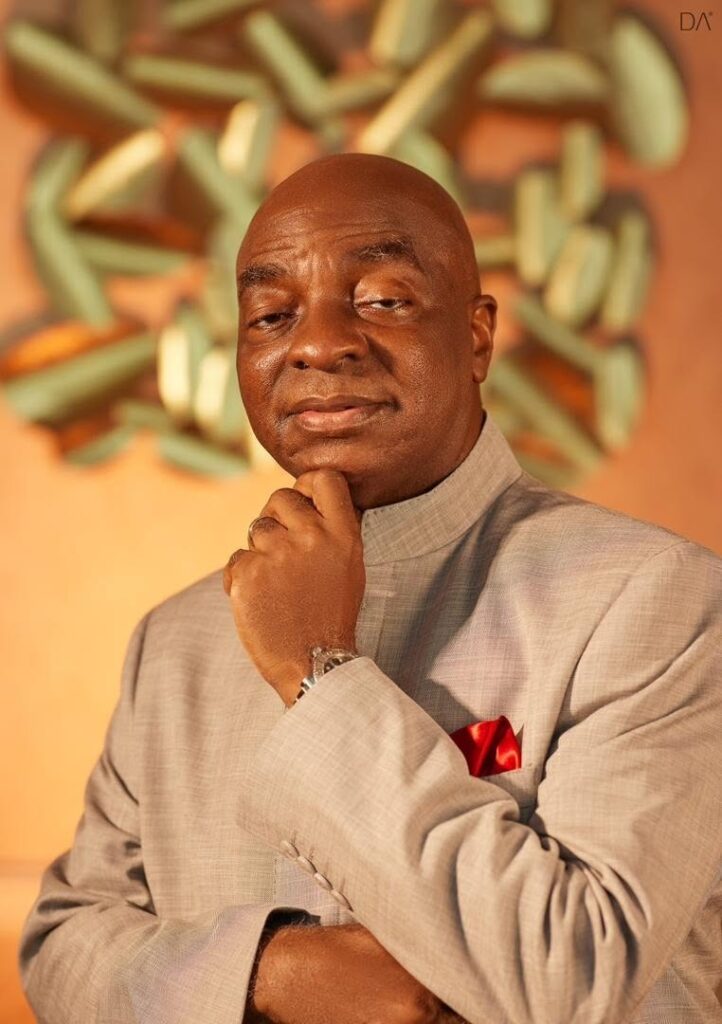
Living Faith Church Worldwide founder Bishop David Oyedepo rejected claims that Nigeria should be regarded as an Islamic nation.
Oyedepo spoke during a Sunday service as debate over religion and political leadership continues to gain attention ahead of the 2027 general elections.
The bishop cited large Christian churches in Nigeria, including RCCG, Salvation Ministries and Dunamis, to challenge claims that Nigeria is an Islamic country.
“Watch Redemption Camp, watch Salvation Ministries, watch Dunamis, watch various churches in Nigeria, and somebody will stand and say Nigeria is an Islamic nation,” Oyedepo said.
ALSO READ: Bishop Oyedepo Warns Christians Against Fake Prophets
The cleric strongly dismissed the assertion and maintained that Nigeria has a significant Christian population alongside its Muslim population.
Oyedepo also made a brief prediction about the country’s future, saying Nigerians should expect unusual developments within the next year.
“There shall be strange happening between now and the next 12 months in Nigeria,” he said, without explaining what he meant by the statement.
His remarks come against the backdrop of increasing discussions about religion and politics in Nigeria.
The debate gained fresh attention after Sheikh Sani Yahaya Jingir, Chairman of Jama’atu Izalatil Bid’a Wa’ikamatis Sunnah, voiced support for a Muslim-Muslim presidential ticket.
ALSO READ: Obi Cubana Gifts Pastor Jerry Eze a Mansion
Jingir expressed his position at a mass wedding organised by the Kano State Government for 1,500 couples. He also declared his support for President Bola Tinubu ahead of the 2027 presidential election.
Jingir defended his position, saying Muslims were entitled to support candidates who aligned with their political preferences. He also acknowledged that people of other faiths were free to support different candidates.
The exchange has added to ongoing national discussions about religious identity, political representation and the role of faith in Nigeria’s electoral politics.
With the 2027 elections approaching, comments from prominent religious figures are likely to continue shaping public debate over religion and political leadership.
Source: Tribune News
Content Credit: Esther Adeyemi
Image Credit: Facebook.com