
TODAY IN HISTORY | APRIL 14, 2014
 TODAY IN HISTORY | APRIL 14, 2014
The Chibok Schoolgirls Kidnapping: A National Tragedy and a Christian Reflection on Suffering, Faith, and Hope
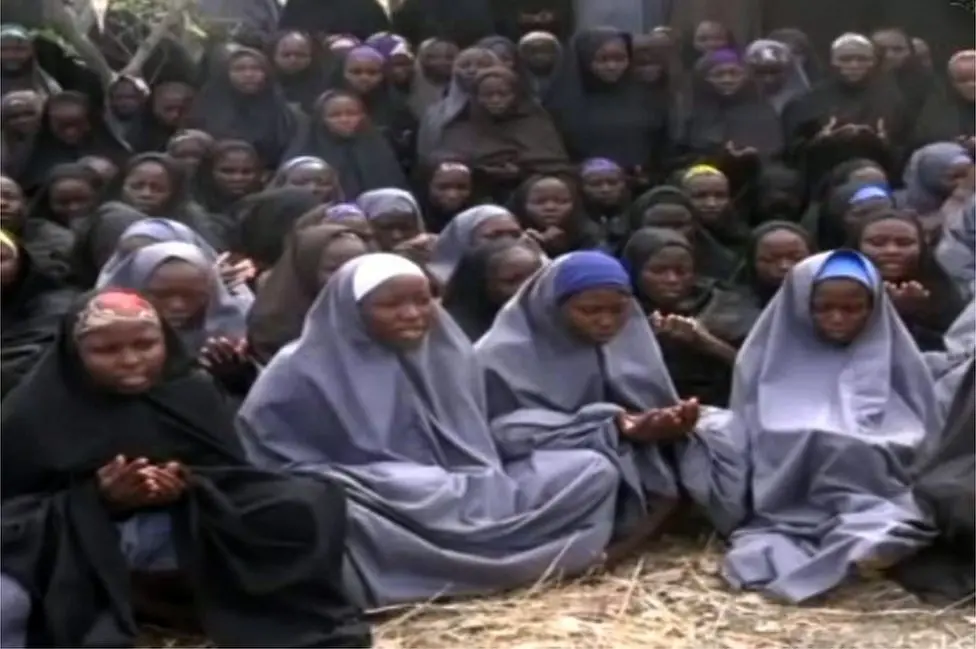
On April 14, 2014, Nigeria was shaken by one of the darkest incidents in its modern history when armed militants of Boko Haram attacked the Government Girls Secondary School in Chibok, Borno State. In a night that would later echo across the world, hundreds of schoolgirls were abducted in a brutal raid that left families, communities, and the nation in deep grief.
The event, which unfolded in the town of Chibok in northeastern Nigeria, remains one of the most painful reminders of insecurity, human suffering, and the cost of violence against innocent lives.
Under the cover of darkness, heavily armed insurgents stormed the school compound, firing shots to create panic and confusion. The attackers moved quickly into the dormitories, forcing the students out and loading them into trucks.
Reports indicated that around 276 girls were taken, most of them between the ages of 16 and 18. Although the school had been temporarily closed due to insecurity in the region, the students had returned to sit for final examinations when the attack occurred.
In the chaos, some girls managed to escape by jumping from moving vehicles, while others were later found or rescued through military efforts over time.
ALSO READ: Trump Questions Pope Leo’s Anti-War Message
For many Christians in Nigeria and around the world, the Chibok abduction was not only a national tragedy but also a moment of deep spiritual reflection.
The Bible reminds believers that the world is marked by brokenness and injustice, yet God remains close to those who suffer. In moments like this, many turned to Scriptures that speak of God’s nearness to the brokenhearted and His promise of justice for the oppressed.
Across churches, prayer became a response prayers for the safe return of the girls, comfort for grieving families, and strength for a nation under fear. The global Christian community also joined in intercession, standing in solidarity with the victims and their families.
The tragedy raised difficult but important questions within the faith community:
How do Christians respond to evil?
How do we maintain faith when justice seems delayed?
And how do we continue to trust God in the face of unimaginable pain?
The Chibok incident also reinforced a core Christian belief: the sacred value of every human life. From a biblical perspective, every child is made in the image of God, deserving dignity, protection, and love.
The global movement #BringBackOurGirls became more than a political call it also became a moral and humanitarian appeal that resonated strongly with Christian teachings on justice, mercy, and defending the vulnerable.
Many Christian leaders and organizations spoke out, calling for action while also urging believers not to grow numb to suffering in conflict zones.
Over the years, some of the kidnapped girls have been found or released, bringing moments of relief and thanksgiving. Yet many remain missing, and families continue to live with uncertainty and grief.
For Christians, this long wait is also a test of endurance in prayer and hope. It reflects the tension between present suffering and future restoration a theme that runs throughout Scripture.
Even in unresolved pain, the Christian faith holds onto the belief that God sees, God knows, and God will ultimately bring justice and healing.
More than a decade later, the Chibok schoolgirls kidnapping remains an open wound in Nigeria’s history and in the hearts of many families. But for the Christian community, it is also a reminder of responsibility to pray, to speak up, to act in love, and to never forget those who suffer in silence.
As we remember April 14, 2014, we are reminded that faith is not only tested in comfort, but also in crisis. And even in the darkest nights of human history, hope in God remains unshaken.
Content Credit: Moyosola Oni
Image Credit: Google .Com