Biblical View of Church Leadership-Fatherhood Title
 Biblical View of Church Leadership-Fatherhood Title
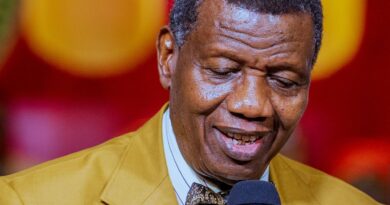
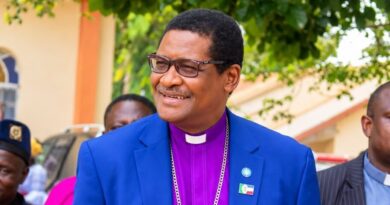
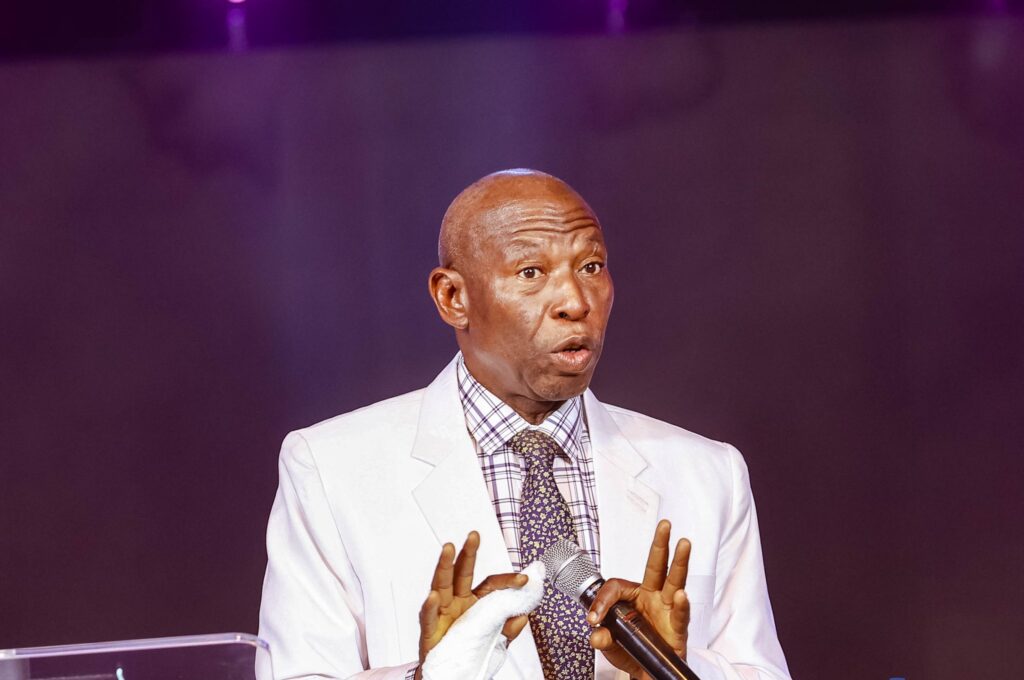
A Nigerian cleric, Founder of The Word Assembly Churches, Rev. Isaac Omolehin, has sparked renewed debate in Christian circles after questioning the use of “fatherhood” titles in describing church leadership in Nigeria. The discussion involves prominent ministers such as Pastor Enoch Adeboye of the Redeemed Christian Church of God, Pastor W.F. Kumuyi of the Deeper Christian Life Ministry, and Bishop David Oyedepo of Living Faith Church Worldwide.
Rev. Isaac Omolehin argued that these leaders should be regarded as heads of their respective denominations rather than “fathers of the Nigerian church.” He maintained that while they oversee large and influential ministries, their authority does not extend across all Christian denominations in the country.
He explained that the Nigerian church is highly diverse, consisting of independent ministries with different governance systems and doctrinal structures. Because of this diversity, he said it is not biblically accurate to assign a single spiritual fatherhood position over the entire Christian body in Nigeria.
Rev. Omolehin further stated that New Testament teaching on church leadership emphasizes service, humility, and mentorship rather than institutionalized or universal fatherhood titles. He argued that early church leadership was relational and functional, not centered on broad hierarchical recognition.
In many Nigerian churches, however, titles such as “father in the Lord” and “spiritual father” remain widely used as expressions of respect for senior ministers. These titles are often connected to mentorship relationships and the influence of leaders like Adeboye, Kumuyi, Oyedepo, and Rev. Isaac Omolehin in shaping modern church growth and leadership development.
Also Read: Dunamis Medical Outreach Shows Christian Compassion
Reactions to the comments have been mixed across Christian communities. Some believers argue that leadership titles should remain closely aligned with scripture to avoid misunderstanding spiritual authority, while others view them as cultural expressions of honor that do not conflict with biblical teaching when properly understood.
Supporters of the traditional practice maintain that senior church leaders have played significant roles in expanding Christianity in Nigeria and beyond, and that such titles reflect appreciation for their spiritual guidance and mentorship impact.
The debate continues to highlight ongoing tensions in Nigerian Christianity between cultural expressions of respect and biblical interpretations of leadership structure, especially in how authority, influence, and spiritual responsibility are understood.
Content Credit: Azeez Amosun
Image Credit:Google.com