CAN Opposes Proposed Ban on Vehicle Preaching
The Christian Association of Nigeria, CAN, in the South West has opposed a proposed law that seeks to ban preaching inside commercial vehicles. The group warned that the move could limit the constitutional rights of Nigerians, especially the right to freedom of religion and expression.
The concern followed the passage of the Federal Road Safety Corps Amendment Bill 2026 by the Senate. If signed into law, the bill will impose a fine of N50,000 on anyone found guilty of hawking, trading, or preaching inside commercial vehicles.
The proposed law also introduces tougher penalties for motorists who refuse to cooperate with officers during roadside breath tests. Such offenders could face a N50,000 fine, six months in prison, or both if found guilty.
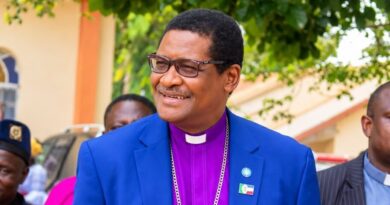
Reacting to the development, the South West Chairman of CAN, Bishop Barnabas Akinsanya, said the bill deserves a careful review before it becomes law. According to him, the government must strike a balance between protecting public safety and respecting the constitutional rights of citizens.
ALSO READ: Bishop Esezobor Honoured for Charity and Biblical Teaching
He explained that every Nigerian has the right to freedom of thought, conscience, religion, and expression. Therefore, any law that may limit these rights should only be introduced when it is necessary and fully supported by the Constitution.
CAN also argued that there is no clear evidence showing that religious preaching inside commercial buses poses a direct threat to public safety. As a result, the association believes banning such activities could create the impression that the government is placing unnecessary restrictions on religious freedom. It warned that such a move could increase public tension instead of promoting unity.

The President of the Christian Association of Nigeria (CAN), Archbishop Daniel Okoh, In addition, the association raised concerns about the planned ban on hawking inside commercial vehicles. It noted that many Nigerians rely on small scale trading to provide food and meet daily needs. Rather than introducing policies that could worsen economic hardship, CAN urged the government to focus on creating jobs, reducing poverty, improving public transport, strengthening security, and supporting the welfare of citizens.
Furthermore, the association appealed to President Bola Tinubu not to sign the bill in its current form. It called for wider consultations with religious organisations, civil society groups, legal experts, transport unions, and road safety professionals before any final decision is made.
CAN believes that open discussions with all stakeholders will help produce a law that improves road safety without taking away the rights and dignity guaranteed to every Nigerian under the Constitution.
Content Credit: Idowu Adigun
Image Credit: Facebook.com