Two Messages, One Trip: What US Lawmaker’s Nigeria Visit Says
 Two Messages, One Trip: What US Lawmaker’s Nigeria Visit Says
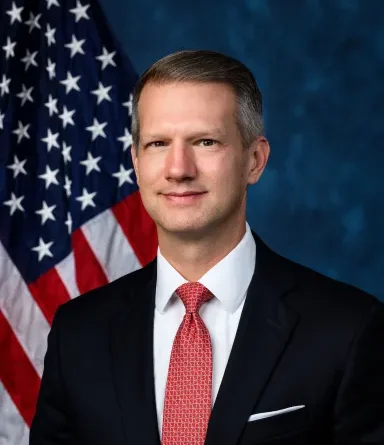
When U.S. Congressman Riley Moore visited Nigeria, his public remarks appeared reassuring. During his engagements in Abuja and a tour of parts of Benue State, Moore reportedly praised dialogue, cooperation, and what he described as ongoing engagement with Nigerian authorities. His tone suggested cautious optimism and a willingness to work with Nigeria on shared concerns, including security and religious freedom.
Yet, shortly after returning to the United States, Moore’s message shifted. Speaking back home, he warned that Nigeria’s security situation is worsening particularly for vulnerable communities and raised fresh alarm about violence, instability, and the state’s capacity to protect its citizens. Two messages, one trip. The contrast is striking, and it raises important questions about perception, diplomacy, and reality.
So what does this contrast really mean for Nigeria?
First, it reflects the difference between diplomatic language and political candor. While in Nigeria, Moore was operating within the norms of international engagement, where cooperation, courtesy, and constructive dialogue are emphasized. Public criticism on foreign soil can strain relations and close doors. Once back in Washington, however, the congressman was speaking to a domestic audience lawmakers, advocacy groups, and voters where blunt assessments are not only expected but often rewarded.
ALSO READ: DCLM Daily Manna 15 December 2025 Devotional by Pastor W. F. Kumuyi — God Is Steadfastly Faithful
Second, the contrast highlights a deeper issue: Nigeria’s security crisis is complex and uneven. Official briefings and guided tours may emphasize efforts being made military operations, policy reforms, and dialogue initiatives while communities on the ground continue to experience kidnappings, militant attacks, and religiously motivated violence. Both narratives can exist at the same time, but they point to a troubling gap between policy and lived reality.
This leads to the bigger question: Is Nigeria still a Country of Particular Concern (CPC)? The CPC designation, used by the United States to flag severe violations of religious freedom, has long been a sensitive issue for Nigerian authorities. While the designation itself can shift with U.S. administrations, comments like Moore’s reinforce the argument of those who believe Nigeria still meets the criteria especially given ongoing reports of attacks on religious communities and weak accountability for perpetrators.
Ultimately, Moore’s two messages are less a contradiction than a mirror. They reflect a country striving to project stability while struggling with persistent insecurity. For Nigeria, the challenge is not just managing international perception, but addressing the root causes of violence so that future visitors and citizens no longer have to tell two different stories about the same nation.
Content Credit: Moyosola Oni
Image Credit: Google .Com